
How can you tell if a wine will age well?
A wine for ageing is one that improves with time: as it matures, its tannins soften and its fresh fruit aromas give way to more complex notes such as undergrowth, leather, spices or dried fruit. Not every wine is made for this: most are designed to be drunk within two to three years of bottling.
The telltale signs
Good structure
To last, a wine needs a backbone: firm tannins for reds, clear acidity for whites, and good concentration. A very soft, light wine, delicious when young, will not go much further.
Oak ageing
Several months in oak barrels are often the sign of a wine made to last. The wine’s technical sheet will tell you.
The cuvée
Within the same estate, the top cuvées, from the best plots and the oldest vines, are usually the ones that keep the longest.
The vintage
A balanced year gives wines that age longer than a very hot or very wet year.
How long should you wait?
As a guide: a fruity rosé or white is best within a year or two; a fine white can wait three to eight years; a structured red from a good appellation, five to ten years, sometimes more. The surest way is to taste a bottle from time to time: if the wine seems closed or hard, it needs time; if it is mellow and expressive, it is ready.
The day you open it
A young wine for ageing often benefits from being decanted an hour before serving: the air helps it open up. An older wine should be handled gently, to leave the sediment at the bottom of the bottle.
The shop
Our finest cuvées
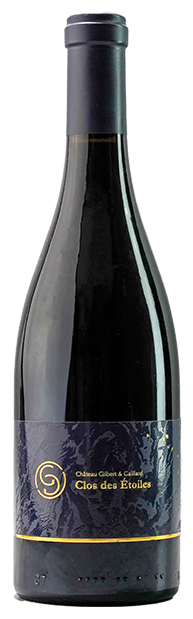 93/100 · James Suckling
Château Gilbert & Gaillard
Clos des Étoiles
AOP Saint-Chinian
€91.00
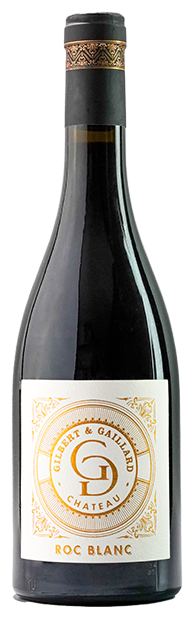 92/100 · Wine Enthusiast
Château Gilbert & Gaillard
Roc Blanc
AOP Saint-Chinian
€35.00
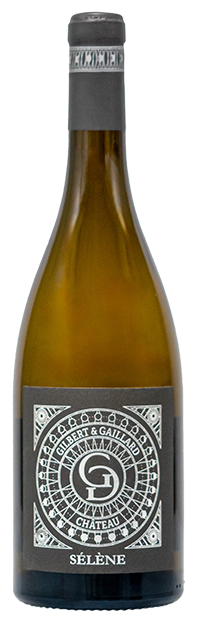
Château Gilbert & Gaillard
Sélène
€35.00
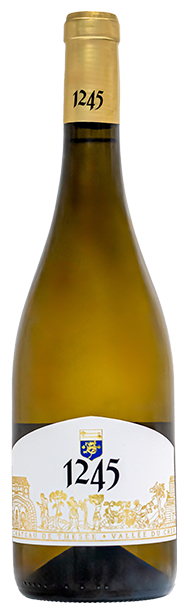
Château de Thésée
1245
AOP Touraine
€35.00
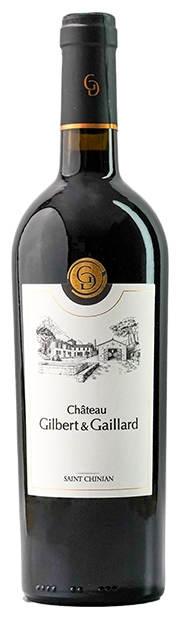 91/100 · James Suckling
Château Gilbert & Gaillard Rouge
AOP Saint-Chinian
€16.00
The wine guide
Food & wine pairings
A regional recipe for each of our wines.
How should you store wine?
Temperature, light, humidity: the five rules of a good cellar.
At what temperature should wine be served?
Whites, rosés, reds: the right temperature and simple tips.
How do you taste wine?
Eye, nose, palate: three steps to enjoy every glass more.
Page updated on 20 October 2026